
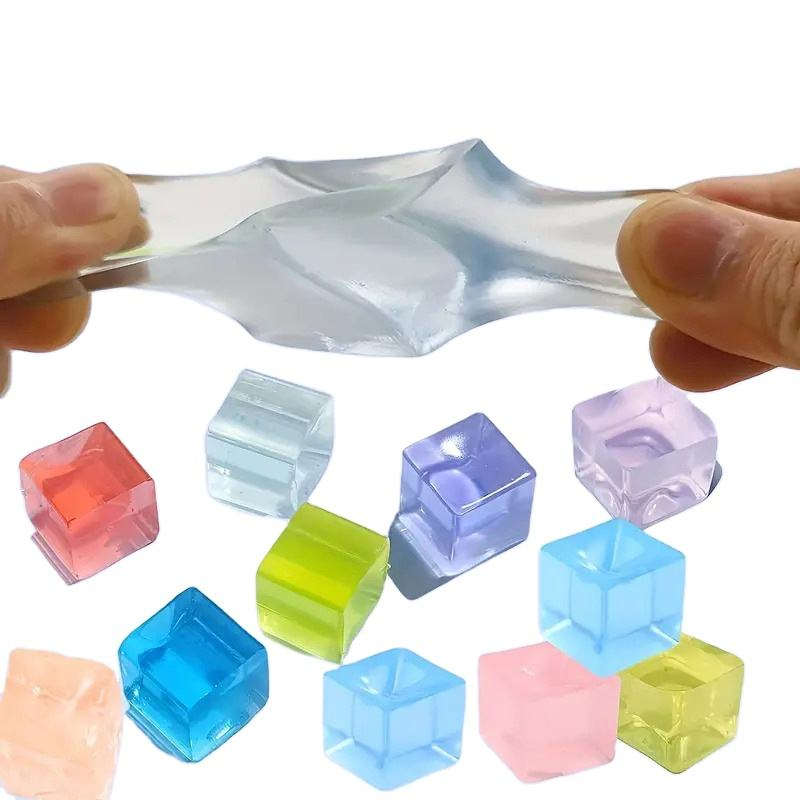
Buyers ask how long squishies last — on the shelf, in a warehouse and in a customer’s hands. Here is what SUKEAUTO tells them, and what to pass on to end users.
Storage Without Sticking or Sweating
Keep squishies sealed in their original packaging, out of direct sunlight, at normal room temperature and humidity — ideally below 30 °C (86 °F). Stacked loose and warm, TPR surfaces can stick together.
Cleaning and Reuse
Wipe with water and a little mild soap, rinse, and let dry fully before packing away. Avoid solvents and alcohol on painted or printed surfaces. In schools, clinics and therapy rooms where several people would share one squishy, giving one per person is the hygienic choice.
Heat, Cold and Long Sea Transits
TPR softens with heat and firms up in cold; it returns to normal at room temperature. Our TPR compound carries heat-resistance, UV and anti-oxidation additives and passes the heat-related checks markets require. On summer sea shipments, ask your forwarder to avoid the hottest container positions.
Shelf Life
A TPR squishy is a toy, not a food — it has no expiry date. Sealed in its original pack it stays unchanged for a year or more. We do not hold accelerated-aging data for the compound; formal aging tests can be arranged through a third-party lab.
Firmness and Leak Resistance by Design
Durability is designed in: a minimum wall of about 2.8 mm, a sound seal on filled items, and qualified material. See why some squishies leak, cloud or turn sticky.
Care Text for Your Packaging
A short line on the pack prevents most complaints: Keep away from heat and direct sunlight. Do not cut, bite or pierce. Clean with mild soap and water. Your market’s required warnings come first; see squishy safety testing.
What Buyers Ask SUKEAUTO About Durability
Durability questions come from buyers who sell into demanding channels — schools, clinics, corporate gifting and marketplaces with strict return policies. 16 of the 408 squishy buyers who wrote to SUKEAUTO between July and October 2026 asked about durability and 26 about safety: how a finish holds up to handling, whether a squishy can be cleaned, and how long stock keeps in a warehouse.
How Long Does a Squishy Last?
Life depends on three things more than on time:
- Material grade. Qualified TPR with stabilisers keeps its surface and stretch; low-grade blends turn sticky, smell and crack sooner.
- Design. Thicker walls, rounded features and well-placed seams resist splitting; thin limbs and sharp corners fail first.
- Treatment. Heat, direct sun, sharp objects and heavy compression shorten life; cool, dark, sealed storage extends it.
Sealed in its original packaging, out of direct sunlight and at normal room temperature, a TPR squishy stays unchanged for a year or more.
Cleaning Guidance by Material
| Material | Safe to do | Avoid |
|---|---|---|
| TPR (solid or filled) | Wipe with a damp cloth; mild soap and lukewarm water; air dry | Hot water, solvents, dishwashers, microwaves |
| Slow-rise PU foam | Wipe the surface gently with a barely damp cloth | Soaking, scrubbing, any liquid inside the foam |
| Any squishy | Dust with a dry cloth | Leaving in sun or a hot car |
Filled squishies should never be heated. Gel-filled toys can burst when heated, and hot fill can burn.
Care Text You Can Print on the Pack
Store in a cool, dry place away from direct sunlight. Do not heat or microwave. Wipe clean with a damp cloth. Do not bite or puncture. Discard if damaged or leaking. Not suitable for children under 3 years. Adult supervision recommended.
Adapt the wording and age grade to your market and test results; warnings must be in the language of the country of sale.
Durability for Shared and Repeated Use
Some buyers — clinics, classrooms, waiting areas — want squishies that are used by many people. Squishies are soft and slightly porous at the surface, so repeated cleaning between users wears the finish. For shared settings, individually bagged pieces that each person keeps are usually the better choice than one toy cleaned again and again.
A Durability Check for Samples
- Squeeze one piece fifty times and check the seam and surface.
- Wipe a printed area with a damp cloth and check for colour transfer.
- Leave a piece in a warm room overnight and check for stickiness.
- Rub the surface on fabric to check for shedding or marks.
- Photograph any change and send it with the sample reference.
More Durability Questions
Can SUKEAUTO make a squishy for repeated cleaning? Solid TPR is the most robust choice; SUKEAUTO advises on material and finish for the use you describe.
Will a matte finish wear with handling? Sprayed finishes can wear on high-contact points; printing inside a clear skin is more durable.
Do squishies expire? No — they are toys, not food.
What temperature damages a squishy? Prolonged heat softens TPR and foam; avoid hot cars and direct sun.
Can SUKEAUTO test colour transfer? Rub tests can be arranged as part of sample approval.
Do you replace damaged goods? Report any issue with photos on arrival; SUKEAUTO reviews each case against the approved sample.
How Factories Test Durability
Durability can be measured, not just described. Common checks in the toy industry include:
- Squeeze-cycle testing — a press compresses the squishy thousands of times while technicians record cracking, loss of rebound and permanent dents.
- Hardness after ageing — firmness is measured at room temperature, then again after several days at a warm temperature, to see whether the material softens or hardens.
- Rub tests — dry, wet and alcohol rubs on printed areas against a white cloth; no visible colour transfer is the usual pass.
- Drop tests — dropping the toy and the carton to check that seams, fills and decorations survive handling.
- Leak checks — filled samples are squeezed under set conditions and checked after a rest period.
A durability claim only means something when it says how it was tested: how many samples, under which conditions, and what counted as a pass.
Why Squishies Age
Even good squishies change over time:
- Slow-rise foam gradually loses some of its slow recovery after very heavy use, and sunlight or high heat speeds up ageing.
- TPR can pick up dust and lint, which washing removes.
- Painted surfaces wear first where fingers press most.
- Fills can settle or separate if stored hot for long periods.
None of these are defects in a well-made product; they are normal ageing. Clear care text helps end users get the longest life from each piece.
Durability and Returns
For retailers and online sellers, durability shows up in returns and reviews. Squishies that split at a seam or leak in the first week drive most complaints. Checking seams and seals on samples, and choosing qualified materials, reduces these problems far more than any warranty text.
Durability in Your Product Description
Honest durability information helps sell squishies online and reduces returns. Describe the material, the feel and how to care for it, and avoid promising that a squishy is unbreakable. A short line such as “squeeze gently, keep away from heat, wash TPR with mild soap” sets the right expectation.
Safety Warnings That Belong in Your Care Text
US regulators have repeatedly warned about a social-media trend of heating squishies in microwaves. Heated squishies can burst and cause serious burns, and the US Consumer Product Safety Commission repeated that warning in August 2026. Care text on the pack and in your listing is the simplest place to address it:
- Do not heat. Never put the squishy in a microwave, oven or hot water.
- Keep away from heat sources such as radiators, heaters and hot cars.
- Stop using a damaged squishy. If it is torn, leaking, sticky or smells strongly, throw it away.
- Supervise young children, and follow the age grading on the pack.
Why Squishies Age
Squishies age for three reasons, and each has a different remedy:
| Cause | What you see | What slows it |
|---|---|---|
| Oil moving to the surface | Tacky, dusty surface | Good material grade, cool storage, individual bags |
| Light and heat | Yellowing of light colours, fading paint | Storage out of sunlight, stabilised material |
| Mechanical wear | Splits at thin points, worn print | Thicker design at stress points, print inside the skin |
Most customer complaints about durability come from the first two, and both are made far worse by summer heat in shipping and storage.
How Factories Test for Ageing
Ageing tests compress months into days by using heat:
- Heat ageing. Samples are kept at a raised temperature for several days, then checked for hardness change, oil on the surface and seam leaks.
- Light ageing. Light colours are exposed to ultraviolet light and compared with an unexposed sample for colour change.
- Compression and recovery. Samples are squashed for a long period and checked for how fully they recover.
- Cold check. Samples are chilled and their rise compared with room-temperature pieces.
You can ask which of these were done on the material and on your sample, and what the results were.
Durability Promises in Your Listing
Be careful with durability claims. Phrases like “lasts forever” or “never tears” invite complaints and, in some markets, regulatory attention. Describe what the product does in normal use, give care instructions, and state the age grading. Customers forgive a squishy that ages if they were told how to care for it; they do not forgive a promise that was not kept.
Key Terms
- Heat ageing — testing at raised temperature to simulate long-term ageing.
- UV ageing — exposure to ultraviolet light to test colour fastness.
- Compression set — how much a material stays flattened after long compression.
- Care text — instructions printed on the pack about use, cleaning and storage.
Can SUKEAUTO print care text on my pack? Yes. SUKEAUTO prints your care and warning text on branded packaging, in the language your market needs.
How long do SUKEAUTO squishies last? With normal use and cool, shaded storage, they keep their feel for a long time; heat and sunlight shorten that.
Is it safe to warm a squishy to soften it? No. SUKEAUTO advises never heating squishies; the US safety regulator warns that heated squishies can burst and burn.
Sources: SUKEAUTO inquiry inbox — 408 squishy buyers by email and WhatsApp, July–October 2026 · China Shipowners’ Association on container heat and condensation (Chinese) · The Nation Thailand: squishy toys and chemical exposure · CPSC: warning about counterfeit squishies and burn hazards (August 2026).
Related: why squishies smell and how to avoid it · back to custom squishy toy manufacturer.
Send Your Inquiry
Tell us the style, quantity, logo or packaging you need and your target date — we reply with the right route and a price range.
Leave A Comment