
Blind boxes have exploded in popularity, but the manufacturing process remains a mystery to many. Understanding it is key to unlocking the magic behind this booming industry.
The blind box industry combines creativity, technology, and psychology. Discover how intricate designs and cutting-edge manufacturing bring these mystery toys to life.
Let’s dive into the detailed process behind creating the collectibles that are taking the world by storm.
1. Introduction
China’s blind box market surpassed $2.5 billion in 2023, driven by Gen Z’s obsession with mystery collectibles.
What Are Blind Boxes?
Blind boxes are sealed packages containing collectible figures, where the specific item inside remains unknown until opened. Originating from Japan’s Gachapon and China’s Mobaixing trends, these toys tap into psychological appeals like FOMO (Fear of Missing Out) and the joy of collecting.
Global vs. Chinese Market:
China leads the blind box industry, exemplified by Pop Mart’s successful IPO. Globally, companies like Funko Pop have expanded through collaborations with various franchises.
2. Pre-Production Phase
A. Market Research & IP Licensing
Trend Analysis:
Manufacturers utilize big data tools like Alibaba’s Tmall Consumer Trends to identify popular themes such as anime, gaming, and original characters. This data-driven approach ensures that blind box designs align with current consumer interests, enhancing market appeal.
IP Collaboration:
Brands collaborate with established franchises like Disney and Sanrio, as well as artists such as Chinese illustrator Kasing Lung, to create exclusive blind box figures. These partnerships leverage existing fan bases and creative expertise, resulting in unique and desirable collectibles.
Cultural Adaptation:
Designs are tailored to resonate with regional markets. For example, Chinese blind boxes may feature Zodiac themes, while U.S. versions might focus on superheroes. This cultural customization enhances the relevance and appeal of the products in diverse markets.
B. Design & Prototyping
3D Modeling:
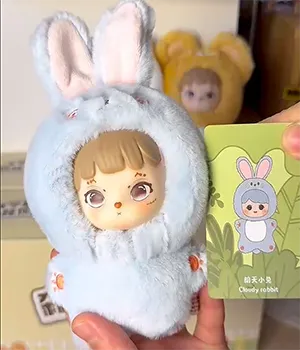
Software like ZBrush or Blender is employed for digital sculpting of figures. This allows for detailed and precise designs, facilitating the creation of complex and intricate figures that meet the desired aesthetic standards.
Prototype Validation:
Stereolithography (SLA) 3D printing is used for rapid prototyping, enabling quick iterations and stress-testing of durability. This process ensures that the final product can withstand handling and maintain its structural integrity over time.
Packaging Psychology:
Techniques such as “mystery ratios” (e.g., 1:144 rare figures) and box art that hints at hidden content are employed to enhance the unboxing experience. These strategies create a sense of excitement and anticipation, encouraging consumers to collect and trade figures.
For a visual insight into the prototyping process of blind box figures, you might find the following video informative:
3. Material Selection
The selection of materials in blind box toy manufacturing is crucial for ensuring product durability, safety, and appeal. Below is an overview of commonly used materials, their applications, advantages, limitations, and considerations for sustainability and compliance.
A. Primary Materials
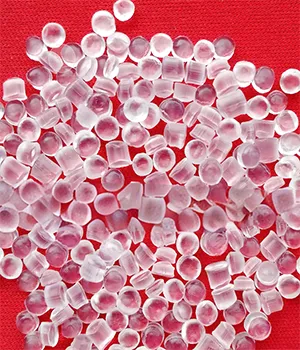
PVC (Polyvinyl Chloride)
- Use: Predominantly used for mass-produced figurines due to its durability and cost-effectiveness. For example, Pop Mart’s “泡泡玛特” series utilizes PVC for its figures.
- Advantages:
- Ease of molding into complex shapes.
- Adhesive surface suitable for painting.
- Limitations:
- Requires phthalate-free formulations to meet safety standards.
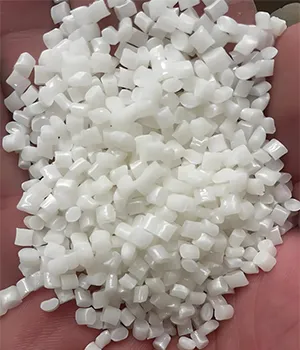
ABS Plastic (Acrylonitrile Butadiene Styrene)
- Use: Ideal for intricate details such as facial expressions and accessories. For instance, ABS is used for accessories like “蓉宝 Rong Bao’s bamboo hat.”
- Advantages:
- High structural integrity, allowing for thin parts without compromising strength.
- Applications:
- Often combined with PVC, using ABS for accessories and PVC for bodies.
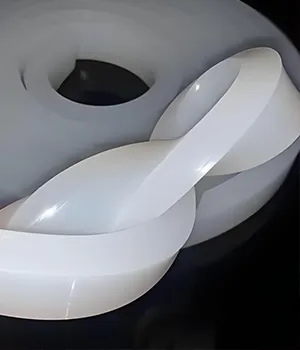
Silicone
- Use: Employed for soft, textured toys, such as squishy figures like “Loopy” from Taito’s Koroppu series.
- Advantages:
- Safe for chewable toys.
- Easy to clean.
- Limitations:
- Higher production costs.
- Limited detail resolution compared to rigid plastics.
Resin
- Use: Utilized for premium limited editions, such as “初音未来 Hatsune Miku” collectibles with high-gloss finishes.
- Advantages:
- Captures ultra-fine details.
- Provides a museum-quality finish.
- Limitations:
- Fragile nature.
- Labor-intensive production process.
B. Sustainability & Compliance
Eco-Friendly Alternatives:
- Recycled PVC: Incorporating 30% or more recycled content in non-critical parts reduces material costs and environmental impact.
- Biodegradable PLA (Polylactic Acid): An eco-conscious option for certain lines, offering biodegradability and reduced environmental footprint.
Safety Standards:
- Phthalate-Free PVC: Ensures compliance with safety regulations, as phthalates are restricted in children’s toys due to health concerns.
- Non-Toxic Paints: Utilization of paints free from harmful chemicals to meet safety standards such as EU EN71 and China GB 6675.
Material Comparison Table
| Material | Use Case | Advantages | Limitations | Sustainability & Compliance |
|---|---|---|---|---|
| PVC | Mass-produced figurines | Easy molding, paint adhesion | Requires phthalate-free formulations | Recycled PVC options available |
| ABS | Intricate details | High structural integrity | Higher production cost | Complies with safety standards |
| Silicone | Soft, textured toys | Safe for chewable toys, easy to clean | Higher cost, limited detail | Biodegradable options available |
| Resin | Premium editions | Captures fine details, high finish | Fragile, labor-intensive | Limited eco-friendly options |
4. Manufacturing Process
The production of blind box toys involves several meticulous stages to ensure quality, consistency, and appeal. Below is an expanded overview of each phase, incorporating specific technical details and industry practices.
A. Mold Creation
Precision Tooling
- CNC Machining
- High-precision steel molds are crafted using Computer Numerical Control (CNC) machines. The cost of these molds ranges from $5,000 to $20,000, depending on the complexity of the design. This investment ensures durability and accuracy in mass production.
- Tolerance Control
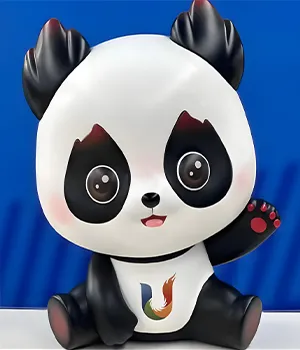
- Achieving precise tolerances is critical for intricate designs. For example, the “蓉宝” Rong Bao panda blind box requires a precision of 0.5mm (0.5丝) to maintain the fine details of the figure.
- 3D Prototyping Validation
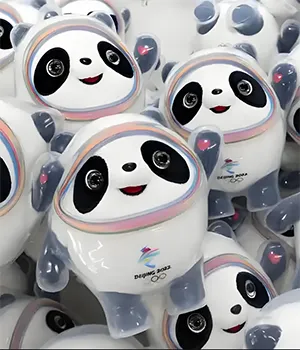
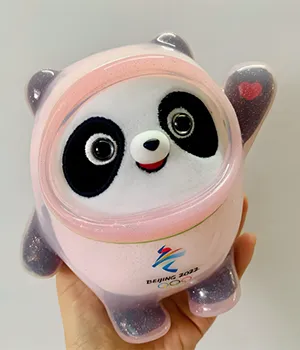
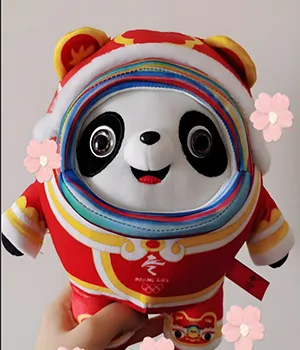
- Digital models are tested via Stereolithography (SLA) 3D printing to detect structural flaws. This process allows for the identification of stress points, such as those in “冰墩墩” Bing Dwen Dwen’s ice shell, before mass production.
Multi-Cavity Optimization
- Mass Production
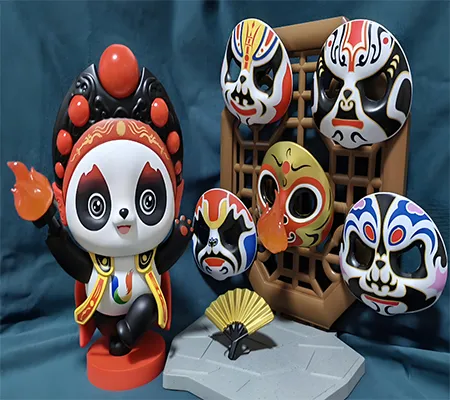
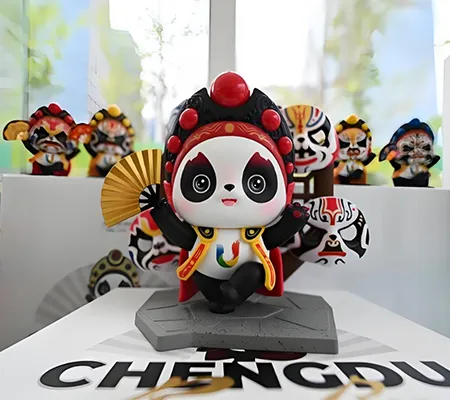
- Molds with 8–12 cavities are utilized to maximize output. For instance, during the Chengdu Universiade, shared production lines were employed for both “冰墩墩” and “蓉宝” figures, demonstrating the efficiency of multi-cavity molds.
- Cycle Time Reduction
- Parallel cavity designs can reduce cycle times by 15–20%, which is essential for meeting the demands of high-profile releases. This efficiency is achieved through optimized mold design and advanced injection molding techniques.
B. Injection Molding
Process Flow
- Granule Drying
- PVC/ABS pellets are dried at temperatures ranging from 80–100°C to eliminate moisture. This step is crucial to prevent defects such as bubbles or inconsistencies in the final product.
- Melting & Injection
- The dried pellets are melted at temperatures between 180–220°C and injected under pressures of 600–1,200 bar. This high-pressure injection ensures that the molten plastic fills the mold cavities completely, capturing all intricate details.
- Cooling & Demolding
- Cycle times range from 30–60 seconds. Water-cooled systems are employed to prevent warping and ensure uniform cooling, which is vital for maintaining the structural integrity of the figures.
Defect Prevention
- Sink Marks
- These are addressed by adjusting injection speed and pressure gradients to ensure uniform filling and cooling, thereby preventing surface imperfections.
- Air Traps
- Vacuum-assisted molding techniques are utilized to eliminate air bubbles in complex geometries, such as the eye sockets in “蓉宝” figures, ensuring a flawless surface finish.
C. Painting & Detailing
Techniques
- Hand-Painting
- Premium lines, such as limited editions, require 10–15 minutes per piece for detailed work, including gradients like those on “蓉宝” eye shadows. This meticulous process ensures high-quality finishes.
- Pad Printing
- Automated systems achieve 500–800 units per hour with 95% color accuracy for bulk orders. This method is efficient for mass production while maintaining consistent quality.
Quality Control
- UV Resistance Testing
- Figures undergo 72-hour simulated sunlight exposure to assess and prevent fading, ensuring long-term durability and color retention.
- Scratch Tests
- 500g weighted brushes are applied to surfaces to ensure durability during unboxing, simulating real-world handling and ensuring the product’s resilience.
D. Assembly & Packaging
Automated Assembly
- Robotic Arms
- Robotic systems attach accessories, such as magnetic faceplates for “蓉宝,” at rates of 1,200 units per hour, enhancing efficiency and consistency in the assembly process.
- Modular Design
- Detachable parts, like wings and hats, simplify assembly and reduce defect rates by allowing for easier handling and quality checks during production.
Blind Box Secrecy
- Randomized Insertion
- AI-powered systems ensure strict adherence to hidden-odds ratios, such as 1:144 for rare variants, maintaining the element of surprise and fairness for consumers.
- Anti-Counterfeit Technology
- Incorporation of QR codes with blockchain tracking (e.g., Alibaba’s AntChain) and laser-etched serial numbers enhances product authenticity and combats counterfeiting.
- Packaging
- Opaque foil wraps and double-layered boxes are used to block X-ray spoilers, preserving the mystery and excitement of the unboxing experience.
E. Sustainability & Cost Control
Material Recycling
- 30% Recycled PVC
- Utilized in non-critical parts, such as internal frames, reducing material costs by 12% and promoting environmental sustainability.
- Biodegradable PLA
- Tested for eco-friendly lines, such as Pop Mart’s “Green Planet” series, offering.
5. Top Blind Box Factories
China has established itself as the global leader in blind box toy production, with a concentration of manufacturing hubs in Guangdong (Dongguan, Shenzhen) and Zhejiang provinces. These regions are home to several prominent manufacturers that have significantly influenced the blind box industry.
A. Industry Leaders Overview
Pop Mart’s Partner Factories

- Production Capacity
- These state-of-the-art facilities produce over 10 million units per month, catering to high-profile franchises such as Harry Potter and The Monsters. This extensive output underscores their capability to meet large-scale production demands.
- Technological Advancements
- Utilizing advanced manufacturing technologies, these factories ensure precision and efficiency in the production process, maintaining high-quality standards across all units.
Alpha Group
- Specialization
- Renowned for collaborations with major brands like Disney, Alpha Group leverages proprietary “MagicMold” technology to achieve 0.001mm tolerance precision. This level of accuracy is crucial for intricate designs and detailed features in blind box figures.
- Innovation
- Their commitment to innovation is evident in the development of specialized molding techniques that enhance the durability and aesthetic appeal of their products.
Visionary Toys
- Sustainability Focus
- As an eco-conscious leader, Visionary Toys incorporates 50% recycled plastics in their manufacturing processes, aligning with global sustainability trends. This approach not only reduces environmental impact but also appeals to environmentally aware consumers.
- Clientele
- They supply products for renowned brands such as Sanrio and LINE FRIENDS, highlighting their versatility and ability to meet diverse design requirements.
B. SUKEAUTO: Precision, Scalability, & Innovation

Shenzhen-based SUKEAUTO has emerged as a top-tier OEM/ODM supplier, blending cutting-edge automation with IP-driven design expertise.
Advanced Manufacturing Capabilities
- Hyper-Precision Tooling
- CNC Molds
- SUKEAUTO employs CNC molds with a tolerance of 0.3mm, enabling the production of ultra-detailed figures, such as the intricate fur texture on “Rong Bao” figures.
- AI-Driven Mold Flow Analysis
- Utilizing artificial intelligence, SUKEAUTO conducts mold flow analysis to optimize design and reduce defects by 30% compared to the industry average.
- CNC Molds
- High-Speed Production
- 64-Cavity Molds
- The use of 64-cavity molds allows SUKEAUTO to produce over 20,000 units per day, significantly enhancing production efficiency.
- Liquid-Cooled Systems
- Implementing liquid-cooled systems has resulted in a 40% reduction in cycle times, facilitating faster turnaround for high-demand releases.
- 64-Cavity Molds
Smart Packaging & Anti-Fraud Technology
- AI Randomization
- “BlindPack” System
- SUKEAUTO’s patented “BlindPack” system ensures strict adherence to rarity ratios, such as 1:144 for rare variants, with an error margin of less than 0.1%.
- “BlindPack” System
- Blockchain Security
- AntChain Integration
- By integrating Alibaba’s AntChain, SUKEAUTO incorporates QR codes with blockchain tracking to authenticate products, effectively reducing counterfeits by 95%.
- AntChain Integration
- X-Ray-Proof Materials
- Multi-Layer PET/Foil Packaging
- The use of multi-layer PET and foil packaging blocks 99.9% of scanning attempts, preserving the element of surprise for consumers.
- Multi-Layer PET/Foil Packaging
Sustainability Leadership
- Circular Production Model
- Recycled Materials
- SUKEAUTO incorporates 50% recycled PVC/ABS in all standard lines and offers 100% biodegradable PLA options, demonstrating a commitment to environmental sustainability.
- Solar-Powered Facility
- Their Dongguan facility is solar-powered, reducing CO₂ emissions by 35% annually.
- Recycled Materials
- Zero-Waste Certification
- ISO 14001
- SUKEAUTO is the first Chinese factory awarded ISO 14001 for blind box manufacturing, highlighting their dedication to environmental management.
- ISO 14001
Global Compliance & Customization
- Certifications
- Safety Standards
- SUKEAUTO meets EU EN71, US ASTM F963, and Japan ST safety standards, ensuring products are safe for international markets.
- Safety Standards
- Flexible Minimum Order Quantities (MOQs)
- Small-Batch Runs
- They support small-batch runs of 500+ units for indie brands through modular mold systems, accommodating diverse client needs.
- Small-Batch Runs
- Cultural Customization
- Regional Studios
- SUKEAUTO’s regional studios design location-specific themes, such as Dubai’s “Golden Panda” series with 24k gold plating, catering to local market preferences.
- Regional Studios
C. Factory Selection Trends
Brands prioritize partners like SUKEAUTO for:
- Speed-to-Market
- A 30-day turnaround from design to mass production enables brands to capitalize on market trends swiftly.
- IP Synergy
- In-house artists collaborate with licensors, exemplified by the SUKEAUTO x Doraemon 50th Anniversary Edition, ensuring cohesive and innovative product designs.
- Scalable Technology
- Robotics handle over 200 SKUs per month without downtime, ensuring consistent production quality and efficiency.
In summary, China’s blind box manufacturing sector is characterized by a blend of precision engineering, technological innovation, and a commitment to sustainability. Companies like SUKEAUTO exemplify the industry’s evolution, offering advanced manufacturing capabilities, smart packaging solutions, and adherence to global compliance standards.

Customize Your Toys Ideas for Your Needs
We deliver tailored solutions for every client and provide free plush prototypes or packaging samples to bring your vision to life. Explore our innovative approaches.
6. Conclusion
In conclusion, the develop & manufacturing of blind boxes is a perfect blend of art, technology, and psychology. From the precision in mold creation to the integration of AI-driven packaging and sustainability efforts, every step is designed to enhance the consumer experience. At Sukeauto, we specialize in creating high-quality, customizable blind boxes with cutting-edge technology and unparalleled precision. Explore our services today and design your unique blind box with us!