
If you are researching the French plush market, it helps to separate French stuffed animal brands into two very different groups. One group is made up of custom plush and mascot specialists that help companies, clubs, destinations, and event organizers turn characters into plush products. The other group is made up of Made-in-France plush brands and workshops that sell under their own names and build value through craftsmanship, local identity, and gift appeal. Treating both groups as if they serve the same buyer need is where many roundups go wrong.
That is why this guide does not try to force every French company into one “top manufacturer” list. Instead, it focuses on what matters to a real buyer: which French stuffed animal brands are worth studying, which companies are relevant for custom development, which ones are strongest for a Made-in-France story, and what overseas buyers can actually learn from the French plush market. This is closer to how buyers search today, especially when they are trying to compare brand positioning, product style, and OEM inspiration rather than just collecting names.
Quick comparison: selected French stuffed animal brands and plush specialists
| Company | Main Type | Best For | Key Signal | Best Buyer Takeaway |
|---|---|---|---|---|
| Peluche Création / Peluche sur Mesure | Custom plush specialist | Corporate mascots, branded plush, promotional character products | Says it creates custom plush for organizations and offers design, packaging, standards, logistics; minimum order shown at 500 pieces | Strong option if the project starts from artwork, mascot assets, or a branded character rather than from a retail plush line |
| Ma Mascotte | Custom mascot and plush company | Professional mascot builds, branded plush, communication projects | States it was founded in 2011 and focuses on custom mascots and plush toys | Good fit for businesses that want event, sports, city, school, or campaign mascots extended into plush merchandise |
| Planète Mascottes | Custom mascot and plush specialist | Promotional plush, character plush, communication projects | Says it has experience since 1997, French/European manufacturing positioning, and CE-compliant custom plush | Useful when the project is communication-led and needs a professional mascot/plush development partner |
| Fanplush | Custom plush / mascot / derivative products specialist | Sports, fan, club, character merchandise | Positions itself around plush, mascots, and custom derivative products, with visible sports and character examples | Strong reference point for plush projects tied to fan culture, clubs, or licensed-style merchandising logic |
| Pamplemousse Peluches | Made-in-France plush brand | Boutique plush, premium gift plush, French-crafted positioning | Says products are handcrafted in its workshop in France with exclusive design | Strong example of French plush as gift, craftsmanship, and premium brand storytelling rather than mass custom OEM |
| Mailou Tradition / Maïlou | Made-in-France plush and comforter brand | Baby gifts, keepsake plush, French-made nursery products | Positions itself around made-in-Brittany plush and comforters; external retail references describe Living Heritage credentials and CE compliance | Important brand to study for heritage, baby gifting, and long-life French plush positioning |
| Atelier Nequidia | Small artisanal French plush workshop | Handmade, artistic, small-batch, gift-style plush | Says its plush are made in France in the Hautes-Alpes, with handmade and carefully selected materials | Strong reference for craft-led French plush identity, but not the same thing as a scalable commercial plush factory |
Bring Your Plush Character Vision to Life
Have a specific mascot in mind or want to create your own branded plush line? Our expert team will customize every detail—from fabric selection to embroidered features—to match your exact requirements.
 Free prototype with your custom design
Low MOQ starting from 500 pieces
Complete OEM/ODM support
My view of the French stuffed animal market
The French plush market is interesting because it is not only about factories. In France, plush often sits at the intersection of gift culture, nursery products, local craftsmanship, boutique design, tourism, and mascot-led communication. That means a serious buyer should not ask only, “Who manufactures stuffed animals in France?” A better question is, “Which French companies are strong in custom plush development, which ones are true French-made plush brands, and which ones are mostly useful as style and market references?”
This distinction matters because brand origin is not the same as production model. Some French names are valuable because they understand the local market, brand storytelling, and plush development process. Others are valuable because they maintain a visible Made-in-France identity. For overseas buyers, both are worth studying, but for different reasons. One teaches you how to build a branded plush project. The other teaches you how to build value around design, origin, giftability, and emotional positioning.
1. Peluche Création / Peluche sur Mesure
If you are building a sourcing list for custom stuffed animal manufacturers in France, this is one of the most practical names to start with. On its official site, Peluche Création presents itself as a specialist in personalized and custom plush for professionals. Its English page says it helps transform an idea into a real mascot and supports projects across design, packaging, standards, and logistics. It also clearly states a minimum order of 500 pieces, which makes it especially useful for buyers trying to understand the lower end of structured custom plush development in the French market.
Why this company matters is not that it represents a classic French retail plush brand. It matters because it reflects a real demand segment in France: organizations that want their own mascot, their own visual identity, or their own branded plush object. That includes hotels, associations, events, institutions, and companies. The site’s project examples reinforce that this is a service-led, project-led model rather than a traditional plush label model.
For overseas buyers, the takeaway is simple. If your project starts from a logo, sketch, mascot, campaign character, or illustrated concept, Peluche Création is more relevant as a benchmark than many retail plush brands. It shows how the French market frames custom plush as a communication and branding tool, not just as a toy product.
2. Ma Mascotte
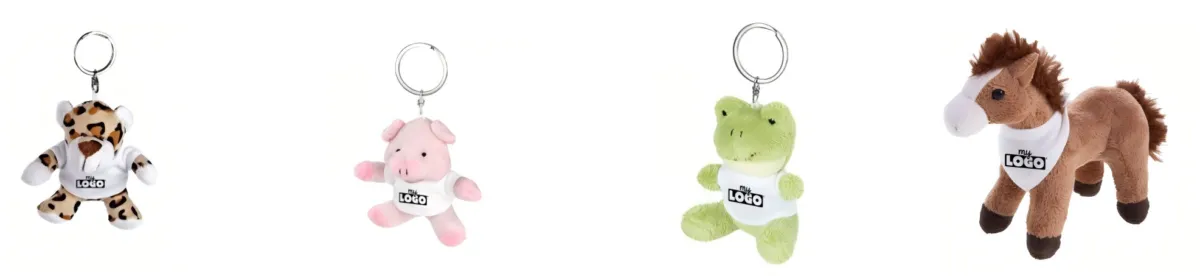
Ma Mascotte is one of the clearest examples of the French mascot-to-merchandise pathway. The company says it was founded in 2011 and specializes in the design, conception, and manufacturing of custom-made mascots of professional quality. It also says it now offers custom-made plush toys and unusual promotional items. That combination is important. It tells you the company is not just a toy seller; it is part of a broader visual branding and event communication ecosystem.
This makes Ma Mascotte particularly relevant for buyers in sectors like sports, education, tourism, public events, destination branding, and corporate campaigns. In many of those cases, the plush itself is not the starting point. The starting point is the character, and the plush becomes one product expression of that character. That is a very different logic from buying generic teddy bears or launching a lifestyle plush line.
For that reason, Ma Mascotte deserves to be included in any serious French stuffed animal brand guide, even though it does not belong in the same bucket as heritage French plush brands. It represents the French market’s custom brand activation side. If your project is mascot-led, it is much more relevant than a generic “best plush brands in France” list would suggest.
3. Planète Mascottes
Planète Mascottes is another strong name if your research goal is not simply “French plush brands” but French plush development partners. Its official site says the business was created in 1997, highlights years of experience, and positions itself around French and European manufacturing, durable materials, and custom mascot creation. On its plush pages, it says it is involved in professional promotional plush creation and emphasizes compliance with current standards. Its English site also states that its custom plush creations comply with CE standards.
That matters because Planète Mascottes sits in a very useful middle ground. It is not a boutique artisanal plush brand, and it is not just a general toy distributor. It is a project partner for professional communication plush, which is one of the more commercially useful segments in France. For companies launching a mascot, visitor gift, team character, municipal symbol, or school identity product, this kind of partner can be more relevant than many classic retail plush brands.
For overseas buyers, Planète Mascottes is a reminder that France has a visible market for promotional plush with professional presentation, and that this market is closely tied to branding and visibility rather than only to toy retail.
4. Fanplush
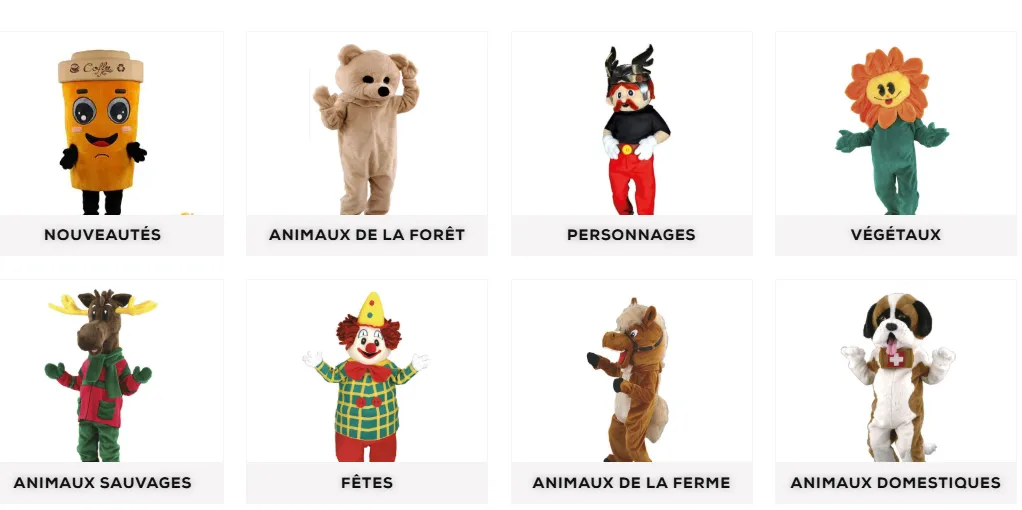
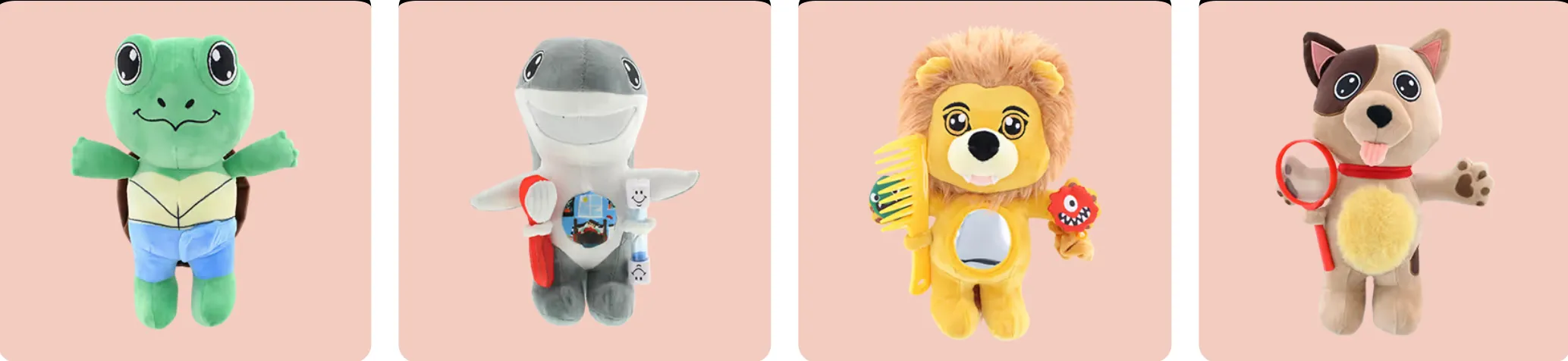
Fanplush belongs in this guide because it strengthens the custom and character-merchandising side of the French market. Its website says it specializes in the design and manufacturing of custom plush, mascots, and derivative products, and the visible case examples include football clubs and other branded character applications. That gives it a slightly different flavor from some other French plush specialists: it feels especially relevant to fan merchandise, club identity, and character extension.
This matters because not all plush demand is nursery-led or gift-led. A major part of modern plush demand comes from communities, supporters, events, characters, fandoms, and collectible-style emotional attachment. Fanplush is a useful benchmark for that logic. Even if a buyer does not end up working with a French company, studying this kind of business helps clarify how plush becomes part of a wider merchandise system.
For a buyer, the lesson here is that France is not just a country of classic teddy bears or handmade keepsake plush. It also has companies operating in a more contemporary character economy, where plush sits beside mascots, accessories, and branded derivative products.
5. Pamplemousse Peluches
If the first four names are useful because they show how France handles custom plush development, Pamplemousse Peluches is useful because it shows the opposite side: the Made-in-France premium plush brand. On its official site, the company says it is a family business dedicated to soft toy manufacturing and that its products are handcrafted in its workshop in France. Its English-facing materials also emphasize exclusive design, artisanal know-how, and a crafted, lasting approach.
That is exactly why Pamplemousse should be in a French stuffed animal brand article. It represents the value of origin, craft, materials, and emotional gift appeal. This is less about commercial mascot development and more about what many buyers imagine when they think of French-made products: careful design, local production, boutique presentation, and a soft premium identity.
For overseas buyers, Pamplemousse is useful as a style reference. It shows how plush can be positioned not as a low-cost volume item, but as a designed object with French artisanal credibility. That can influence how you think about packaging, storytelling, product naming, and price architecture in your own plush line.
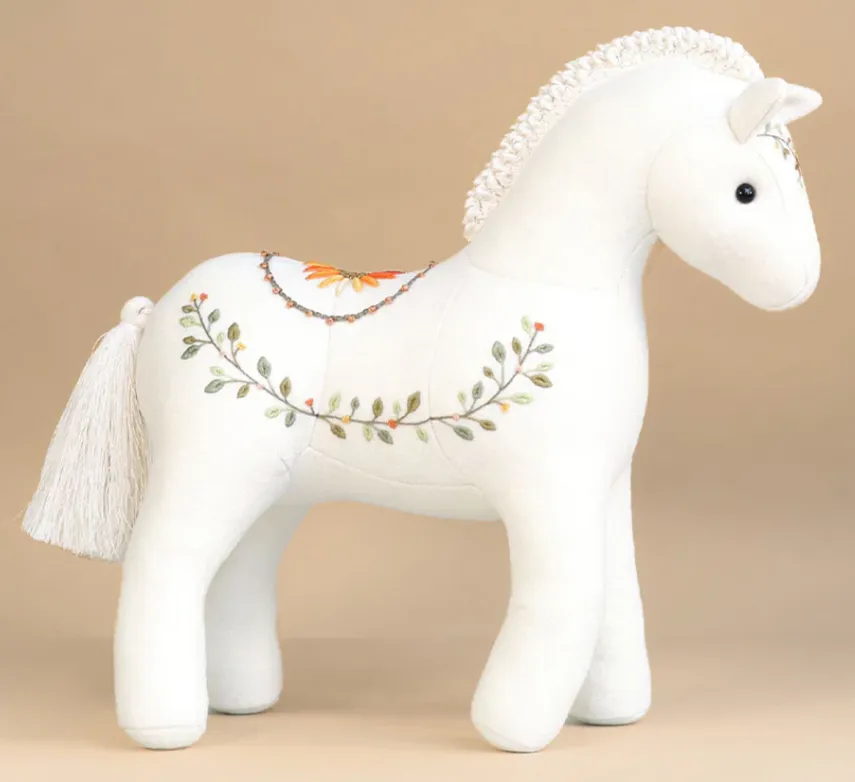
6. Mailou Tradition / Maïlou

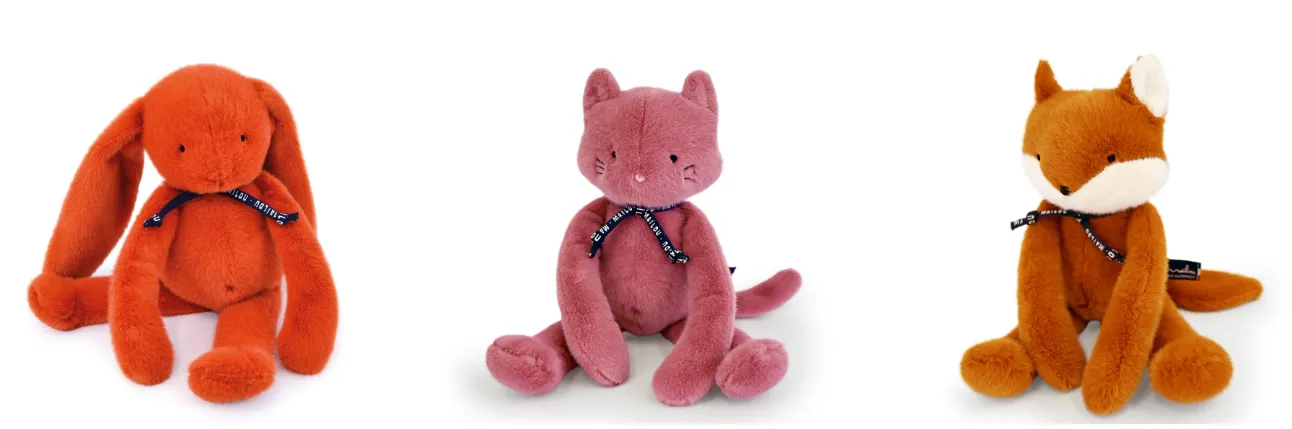
Mailou Tradition, often also referred to in retail contexts as Maïlou, is one of the most important names to include when the topic is French stuffed animal brands rather than only French custom plush suppliers. Its official site centers on plush and comforters made in Brittany, and product pages repeatedly use made in France language. Third-party French retail pages describe Maïlou Tradition as a Breton workshop making plush and comforters in France, while another reference describes the brand as a Living Heritage Company and notes CE compliance and a certificate of authenticity.
Whether a buyer is studying baby gift products, nursery-focused plush, or heritage French textile positioning, Mailou is worth attention. The brand is not just selling plush toys. It is selling a set of values: French origin, workshop craft, giftability, durability, and emotional permanence. That is especially relevant in baby and family markets, where plush is often bought as a memory object or keepsake rather than as a novelty item.
For buyers outside France, Mailou offers one of the clearest lessons in how a plush brand can move beyond basic product function. The plush becomes part of a story of origin, trust, and family gifting, which is often where premium margins are built.
7. Atelier Nequidia
Atelier Nequidia belongs in this guide because it represents a smaller, more intimate side of the French plush landscape. The workshop says its plush are made in France in the Hautes-Alpes, emphasizes unique creations, carefully selected materials, and security for little ones, and presents handmade plush sewn in France.
This is not the same category as a commercial custom plush supplier, and it is not the same scale proposition as a broader plush brand with a large retail footprint. But that is exactly why it is useful. It shows that part of the French plush identity still lives in small-scale artisanal making, where originality, locality, and handwork are central to the product promise.
For a buyer, Atelier Nequidia is best understood as a craft and inspiration reference, not as a standard factory solution. If you are building a plush project with storytelling, artist collaboration, limited editions, or handmade visual cues, this kind of French workshop can be more valuable as a benchmark than a mass-market brand list.
What makes French stuffed animal brands different
The strongest difference is that French plush value often comes from positioning, not from scale. In many sourcing markets, buyers talk first about price, MOQ, lead time, and capacity. In the French market, those questions still matter, but many visible plush brands and specialists first communicate through story, design, emotional use, gift suitability, local identity, and brand image
You can see that split clearly in the companies above. The custom side speaks in terms of mascots, organizations, communication, standards, and project development. The Made-in-France side speaks in terms of workshop craft, artisanal care, local production, and emotional value. Both are commercially valid, but they solve different buyer problems.
That is why this topic should not be written as a flat “top French plush manufacturers” list. A buyer looking for a campaign mascot plush does not need the same partner as a retailer looking for a premium French-made nursery plush. And a buyer looking for design inspiration may benefit more from studying French retail brands than from contacting them as suppliers.
What overseas buyers can learn from French plush brands
The first lesson is that French plush often wins through emotional positioning. It is not always about technical novelty. It is often about making the product feel gift-worthy, story-worthy, or keepsake-worthy. Brands like Pamplemousse and Mailou make this especially clear.
The second lesson is that character-led custom plush is a serious commercial lane. Companies like Peluche Création, Ma Mascotte, Planète Mascottes, and Fanplush show that plush in France is often connected to institutions, tourism, sports, schools, brands, and events. That opens up a wide B2B demand landscape beyond standard toy retail.
The third lesson is that Made-in-France is a positioning asset, not a universal requirement. Many buyers may love the French aesthetic or brand logic without actually needing French production. In practice, this creates a very usable bridge for overseas OEM development: a buyer may study French plush brands for inspiration, tone, packaging, or category fit, then work with a custom manufacturing partner elsewhere to build a commercially scalable version of that concept. This last point is an inference based on how the featured companies position themselves across craft, branding, and custom project development.
Final thoughts
If you only search “French stuffed animal brand,” you may miss the real structure of the market. The strongest French names do not all play the same role. Some are best understood as custom plush development partners for mascots and branded merchandise. Others are best understood as Made-in-France plush brands that build value through craft, heritage, and emotional product language.
That is why the best way to use a guide like this is not to ask, “Which one is number one?” The better question is, “Which type of French plush company matches my project?” If you are studying France for brand inspiration, nursery positioning, premium gift cues, mascot development, or French-style plush storytelling, the names above are a strong place to start.
If you want, next I can turn this into your usual full SEO format with a stronger opening hook, snippet paragraph, and a more commercial conclusion that naturally introduces Sukeauto without making the page feel like an ad.
FAQ: Real Buyer Questions About French Stuffed Animal Brands
1. Which French stuffed animal brands are actually made in France?
Not every French stuffed animal brand is made in France, so buyers should separate French brand identity from actual production location. In this market, names like Pamplemousse Peluches, Mailou Tradition / Maïlou, and Atelier Nequidia are more useful if your priority is a visible Made-in-France story, artisanal positioning, or local workshop appeal. These brands are relevant for buyers who care about origin, craftsmanship, premium gifting, and emotional product value rather than only price or scale.
This matters because many people search for French stuffed animal brands expecting local manufacturing, but in practice the French plush market includes a mix of craft workshops, retail labels, and custom development companies. If your goal is a true French-made positioning, focus on workshops and heritage-style brands. If your goal is large-volume custom production, you may need a different kind of partner.
2. What are the best French stuffed animal brands for premium baby gifts?
If your focus is premium baby gifts, nursery plush, comforters, or keepsake soft toys, the most useful French references are usually the brands that combine a soft visual style with a strong gift identity. In that sense, Mailou Tradition / Maïlou is one of the strongest names to study because it fits the baby, family, and keepsake side of the French plush market. Pamplemousse Peluches is also a good reference if you want plush products that feel more boutique, carefully designed, and gift-oriented.
For buyers, the value of studying these French stuffed animal brands is not only the product itself. It is also the way they present plush as a memory object, a baby gift, or an emotional purchase. That is where French plush often feels different from more mass-market plush categories.
3. Which French companies can create custom stuffed animals from a mascot or brand character?
If you already have a mascot, illustrated character, school symbol, tourism icon, or brand concept, the strongest French-side references are Peluche Création / Peluche sur Mesure, Ma Mascotte, Planète Mascottes, and Fanplush. These are more relevant than classic French retail plush brands because they are closer to the real needs of custom character development.
This is an important distinction. A company that sells beautiful French plush gifts is not automatically the best partner for turning your logo or mascot into a production-ready plush toy. For that kind of project, you need a team that understands custom development, character translation, branded merchandise, and project execution.
If you like the French approach to mascot-led plush but need more flexibility on cost, volume, or overseas production, Sukeauto can also be a practical option. That is especially true if your project starts from artwork and you want to turn it into a custom plush line with tailored packaging and a more scalable OEM process.
4. What is the difference between a French stuffed animal brand and a French plush manufacturer?
A French stuffed animal brand usually refers to a company known for its product identity, design style, gift appeal, or retail presence. A French plush manufacturer may refer to a company or workshop that actually makes plush products, whether for its own label or for clients. Then there is a third category: the custom plush development company, which helps transform a mascot or character into a finished plush product.
This is why the French market can confuse buyers. Some names are valuable because they are strong brands. Others are useful because they offer custom project support. Others matter because they can tell a real Made-in-France craft story. These are not the same thing, and a good article should not force them into one flat ranking.
For real buyers, the first step is to decide what you actually need: retail inspiration, local-made brand study, or a partner for custom plush development.
5. Are there any French stuffed animal brands similar to boutique gift-shop plush?
Yes. In fact, this is one of the most natural ways to understand the French plush market. Some French stuffed animal brands feel closer to boutique gift products than to standard toy-shelf plush. Pamplemousse Peluches is a strong example of this kind of positioning, and smaller artisanal names like Atelier Nequidia also fit that softer, more design-led, gift-oriented space.
These brands matter because they show how plush can be presented as something more refined, emotional, and decorative. The focus is often on texture, shape, workshop identity, giftability, and visual warmth, not just mass retail pricing. For boutique stores, children’s gift shops, or baby concept shops, these brands can be much better study material than generic plush suppliers.
6. Can I use French stuffed animal brands as inspiration for custom OEM plush development?
Yes, and this is one of the smartest ways to use this type of article. Many buyers are not trying to buy directly from a French brand. Instead, they are studying French plush aesthetics, gift presentation, baby-friendly styling, or boutique positioning, and then asking how to build something with a similar feeling for their own market.
That is a very realistic use case. You might like the soft premium look of French stuffed animal brands, but still need a manufacturing partner that can support custom sizing, accessories, packaging, MOQ planning, and international production logistics. In that case, it makes sense to use French brands as design and positioning references, then work with an OEM partner to create your own commercial product line.
This is also where Sukeauto can fit naturally. If your goal is not to copy a French brand, but to build a French-inspired plush line with your own character, packaging, and market angle, Sukeauto can help bridge that gap between inspiration and production.
7. If I like French plush design, what should I look for in a custom manufacturer?
If you are trying to capture the feel of French plush design, do not focus only on basic production capability. You should ask a custom manufacturer about fabric hand feel, embroidery detail, facial expression control, stuffing balance, color softness, packaging options, and how well they can translate a subtle design language into a finished sample. French-style plush often depends on emotional tone and presentation, not only on technical assembly.
You should also ask whether the manufacturer understands your intended market. A plush toy designed for a premium baby gift line is very different from a plush toy made for an amusement giveaway or a sports event. The best custom manufacturer for a French-inspired line is one that can help you match design style, price target, packaging, and story positioning.
If that is your direction, Sukeauto is worth considering as a production partner because the goal is not simply to make a toy. The goal is to turn a visual idea into a plush product that feels polished, giftable, and commercially usable.