

Did you know that approximately one out of every three toys sold across the globe originates from a single district in China? This district is Chenghai, a vibrant hub nestled within Shantou, a dynamic coastal city in Guangdong Province, China.
Chenghai isn’t just a toy manufacturing base; it’s the epicenter of the global toy industry. This comprehensive guide delves into the intricate world of Shantou and Chenghai toys, offering a detailed exploration of its evolution, advantages, market influence, and future trajectory. Beyond just statistics, we aim to provide insights into the unique interplay of Shantou’s strategic policies and geographical advantages that have synergistically propelled Chenghai to the forefront of toy manufacturing on a global scale.
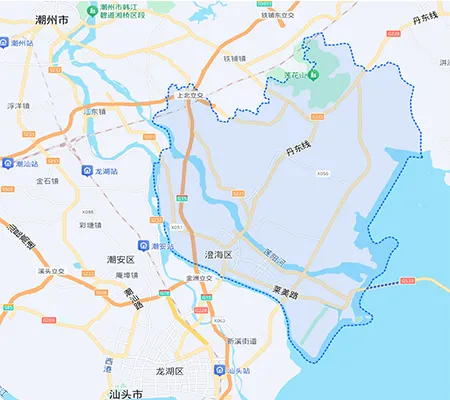
Contextualize:
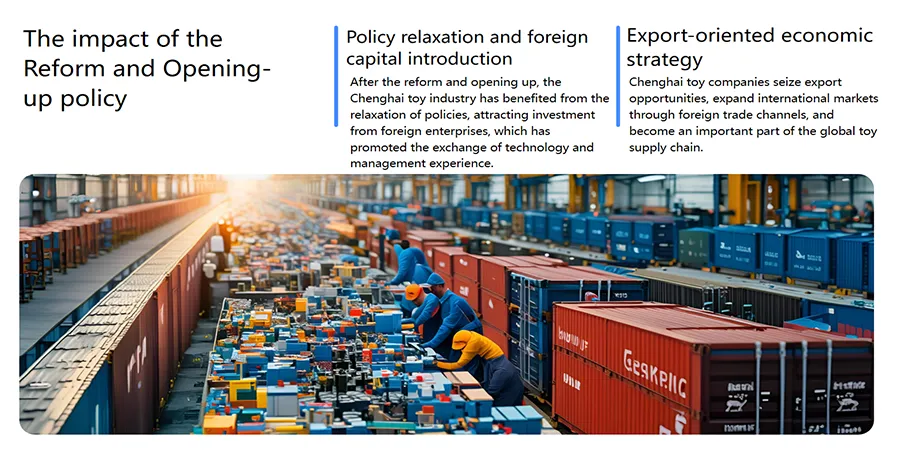
The story of Chenghai’s ascent to toy industry dominance is intrinsically linked to China’s historic Reform and Opening-Up policy initiated in **1979**. This pivotal shift in national policy laid the groundwork for Chenghai’s transformation.
Milestones:
1980s: The Dawn of Toy Factories and Export Ventures: The early 1980s witnessed the establishment of Chenghai’s first toy factories. Driven by the new open-door policy, these pioneering factories quickly ventured into export markets, capitalizing on low labor costs and emerging global demand for affordable toys.
1990s: Industrial Parks and Foreign Direct Investment (FDI) Influx: The 1990s marked a period of significant expansion. The establishment of dedicated industrial parks, such as the Chenghai Toy Industrial Park, provided crucial infrastructure and attracted a surge of Foreign Direct Investment (FDI). This influx of capital and technology injection further accelerated production capabilities and export volumes.
2000s: Technological Advancement and Global Brand Partnerships: Entering the 21st century, Chenghai’s toy manufacturers embraced technological adoption to enhance efficiency and product quality. This era also saw the forging of strategic partnerships with global brands,elevating Chenghai’s status from a low-cost producer to a key player in the international toy market.
Shantou’s Role:
Highlight municipal support, infrastructure investments, and SEZ benefits.
Shantou, as a municipality, played a crucial role in nurturing Chenghai’s growth. The city’s administration provided consistent municipal support through favorable policies, streamlined regulations, and strategic infrastructure investments. Furthermore, Shantou’s designation as one of China’s Special Economic Zones (SEZ) granted Chenghai unique advantages, including tax incentives, simplified trade procedures, and greater autonomy in economic activities, all of which were instrumental in attracting investment and fostering rapid industrial development.
III. Industrial Chain Advantages
Integration:
Explain vertical integration (design to logistics) reducing costs/time.One of Chenghai’s key strengths is its remarkable vertical integration. The district boasts a complete spectrum of toy production capabilities, encompassing every stage from initial design and development to mold making, production, processing, printing, packaging, and even logistics distribution. This end-to-end integration within a single geographical area drastically reduces production costs and lead times, providing Chenghai manufacturers with a significant competitive edge.
Clusters:
Mention industrial parks (e.g., Chenghai Toy Industrial Park) fostering collaboration.Chenghai’s industrial parks, like the Chenghai Toy Industrial Park, exemplify the power of industrial clusters. These parks strategically collocate toy factories alongside suppliers of raw materials, components, and supporting services. This geographical concentration fosters seamless collaboration, knowledge sharing, and efficient resource utilization among businesses, creating a synergistic ecosystem that enhances overall productivity and innovation.
Workforce:
Detail vocational training programs and skilled labor pool.Chenghai’s toy industry is supported by a large and skilled labor pool. Local vocational training programs and specialized technical schools ensure a steady supply of workers proficient in toy design, manufacturing processes, and quality control. This readily available and experienced workforce is a critical asset, enabling Chenghai to maintain high production volumes and adapt to evolving market demands.
Scale:
Compare enterprise numbers/jobs to other hubs (e.g., Yiwu).The sheer scale of Chenghai’s toy manufacturing operations dwarfs many other global hubs. While specific comparative data with Yiwu is less readily available in the search results, Chenghai is consistently highlighted as the world’s largest plastic toy production base, responsible for a substantial portion of both China’s and the world’s toy output. Some sources indicate Chenghai produces one-third of the world’s plastic toys and half of China’s total toy production. Chenghai is home to over 40,000 toy companies, a number that underscores its massive industrial scale.
| Metric | Details |
|---|---|
| Number of Manufacturers | Over 4,000 to 12,000 toy-related businesses |
| Global Production Share | More than 30% of world’s toys |
| Annual Export Value | Over 2.1 billion USD (2022) |
| Primary Export Markets | US, EU, Southeast Asia |
| Annual Patent Authorizations | Over 10,000 toy-related patents |
IV. Market Position & Influence
Global Share:
Contrast 33% production capacity with competitors.
Chenghai’s manufacturers are estimated to produce one-third (33%) of the world’s plastic toys, and some reports even suggest they account for 30% of the entire global toy production, highlighting its immense production capacity and global reach. This substantial market share firmly establishes Chenghai as the leading toy manufacturing center worldwide.
Export Markets:
Top destinations (e.g., U.S., EU, emerging markets like ASEAN).Chenghai toys are exported to virtually every corner of the world. Top export destinations include major markets like the United States and the European Union. Significantly, Chenghai’s influence extends to emerging markets as well, with strong presence in regions like ASEAN (Association of Southeast Asian Nations) and Russia. For instance, it’s estimated that over 60% of toys in Indonesia originate from Chenghai, and over 80% of toys in the Russian market are Chinese-made, a large portion of which likely comes from Chenghai.
Challenges:
Address tariffs, competition, and strategies to overcome them (e.g., diversification).Despite its dominant position, Chenghai’s toy industry faces ongoing challenges. International tariffs and increasing competition from other manufacturing hubs are persistent concerns. To overcome these hurdles, Chenghai manufacturers are actively pursuing strategies such as product diversification, moving beyond traditional plastic toys into higher-value segments like electronic and high-tech toys, and strengthening self-branding to reduce reliance on OEM (Original Equipment Manufacturer) models.
| Year | Export Region | Sales (Hundred Million USD) | Percentage of National Toy Exports | Data Source/Remarks |
|---|---|---|---|---|
| 2021 | Americas | Approx. 18.5 | Approx. 28% | Shantou Customs Statistics, Industry Association Estimates |
| 2021 | Europe | Approx. 15.2 | Approx. 23% | Chenghai District Government Work Report |
| 2022 | Americas | Approx. 20.1 | Approx. 30% | China Toy Association Report (Including Growth Rate Estimates) |
| 2022 | Europe | Approx. 16.8 | Approx. 25% | Comprehensive Industry Media Reports |
| 2023 | Americas | Approx. 22.0 (Estimated) | Approx. 32% (Estimated) | Estimated based on the first three quarters data and year-on-year growth rate |
| 2023 | Europe | Approx. 18.5 (Estimated) | Approx. 27% (Estimated) | Same as above |
V. Product Innovation & Variety
Examples:
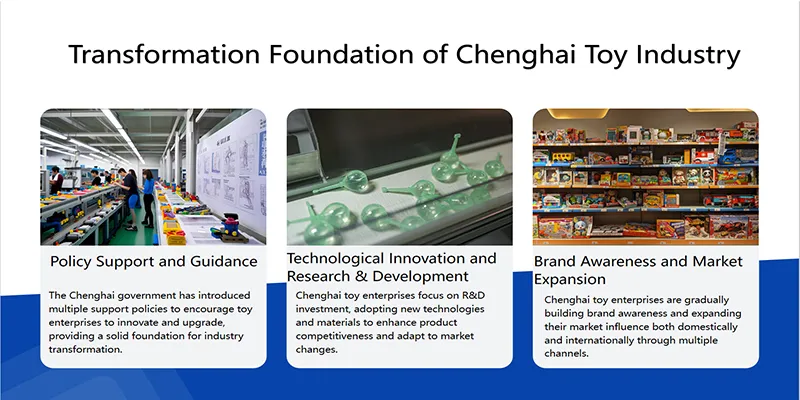
Cite renowned brands (e.g., Opple, Giochi Preziosi collaborations).Chenghai is home to numerous renowned toy brands and manufacturers. While the search results didn’t specifically mention Opple and Giochi Preziosi collaborations, they do highlight the presence of leading companies like SUKEAUTO and Guangdong Audi Toys Industry Co., Ltd., known for their product design, mold development, and brand strategies. Aurora World, while not explicitly mentioned in the context of Chenghai in these results, is a well-known global toy and gift company that may have OEM partnerships within the region, reflecting the type of international collaborations common in Chenghai. Chenghai manufacturers are also increasingly focusing on developing their independent intellectual property rights and moving away from simple imitation.
Sustainability:
Use of recycled materials, eco-certifications (e.g., ISO 14001).Recognizing the growing global emphasis on environmental responsibility, Chenghai’s toy industry is making strides in sustainability. Manufacturers are increasingly utilizing recycled materials in production and seeking eco-certifications such as ISO 14001 to demonstrate their commitment to environmentally friendly practices. The trend towards sustainable toys is growing globally, and Chenghai is positioning itself to meet this demand.


Inclusivity:
Toys for disabilities, gender-neutral designs.While not explicitly detailed in the search results, the global toy industry is increasingly focusing on inclusivity. This includes designing toys for children with disabilities and promoting gender-neutral designs. It is likely that Chenghai manufacturers, as key players in the global market, are also adapting to these trends, although more specific information would require further research.
Tech Integration:
AR/VR toys, STEM-focused products.Chenghai is actively integrating technology into its toy offerings. The rise of AR/VR toys and STEM-focused products (Science, Technology, Engineering, and Mathematics) is evident. Moreover, there’s a growing trend of incorporating Artificial Intelligence (AI) and Machine Learning (ML) into STEM toys to enhance educational value and provide personalized learning experiences. Chenghai is also seeing the development of smart toys that combine building blocks with smart programming, allowing for customized and interactive play.
VI. Infrastructure & Support
Port Efficiency:
Shantou Port’s logistics networks, customs facilitation.Shantou Port plays a vital role in Chenghai’s toy exports. Its well-established logistics networks and efficient customs facilitation processes ensure the smooth and timely shipment of toys to international markets. Even during challenging periods like the COVID-19 pandemic, Shantou Port has maintained steady trade flows, particularly with countries involved in the Belt and Road Initiative. Customs authorities have actively supported local toy enterprises with technical research platforms and expedited clearance processes.
Trade Fairs:
China Chenghai International Toys & Gifts Fair’s scale (e.g., exhibitors, deals signed).The China Chenghai International Toys & Gifts Fair is a major annual event that underscores Chenghai’s significance in the global toy industry. This large-scale fair attracts tens of thousands of visitors, including producers and traders from both China and overseas. It serves as a crucial platform for networking, deal-making, and order placement. The fair showcases the vast variety of Chenghai’s toy products and highlights the region’s manufacturing capabilities. In 2023, the fair saw record deals being signed, indicating its continued importance to the industry. The fair typically occurs in October each year and occupies approximately 60,000 square meters of exhibition space.
E-Commerce:
Role of Alibaba/Amazon in global reach.E-commerce platforms like Alibaba and Amazon play an increasingly important role in extending Chenghai’s global reach. These platforms enable Chenghai manufacturers, including smaller businesses, to directly access international buyers and consumers, bypassing traditional distribution channels. While specific statistics on Chenghai toy sales through Alibaba and Amazon weren’t found in the immediate search results, Alibaba is mentioned in connection with the 1688 Chenghai Toy Selection Center, a popular market launched jointly with the Shantou government to boost domestic and international trade.
VII. Future Trends & Plans
Sustainability Goals:
Net-zero targets, circular economy initiatives.Sustainability is a central focus for Chenghai’s future. The industry is expected to pursue net-zero targets and embrace circular economy initiatives. This includes increased use of recycled and biodegradable materials, optimization of production processes to minimize waste, and development of designs that promote longevity and recyclability.
Tech Adoption:
AI-driven manufacturing, IoT in supply chains.Further technological adoption is crucial to Chenghai’s future competitiveness. This includes integrating AI-driven manufacturing processes to enhance efficiency and reduce manufacturing time. The application of IoT (Internet of Things) in supply chains can optimize logistics and inventory management. Chenghai is actively promoting smart manufacturing, with over 100 toy manufacturers already undergoing digital transformation by introducing intelligent and automated facilities. A high-tech toy innovation center has been launched in Chenghai to provide public services for technological innovation in the toy and gift industry, focusing on areas like animation, intelligence, and IP.
Policy Support:
Government grants for R&D and green tech.The government continues to play a supportive role, offering government grants and incentives to encourage R&D (Research and Development) and the adoption of green technologies within the toy industry. Shantou’s government has pledged to further promote the upgrading of the toy industry and create a globally competitive industrial cluster.
Capacity Expansion:
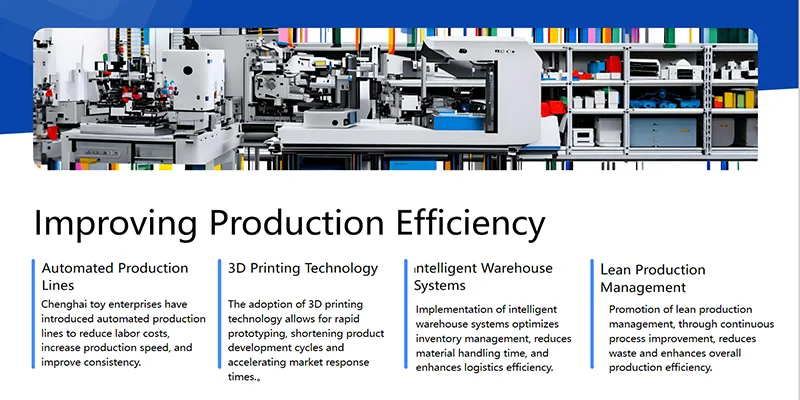
New factories, automation (e.g., robotic assembly lines).To maintain its leading position, Chenghai is likely to pursue further capacity expansion through increased automation. This includes the adoption of robotic assembly lines and other advanced manufacturing technologies to enhance productivity, improve quality control, and address rising labor costs.
VIII. Challenges & Adaptations
Labor Costs:
Shift toward automation and upskilling.Rising labor costs are a significant challenge for manufacturing industries in China. Chenghai’s toy industry is responding by shifting towards increased automation and upskilling its workforce to handle more technologically advanced production processes. Automated production lines are already helping to reduce production costs and improve efficiency in some Chenghai factories.
IP Protection:
Anti-piracy measures, design patents.Intellectual Property (IP) protection remains a critical concern. While Chenghai manufacturers are increasingly focusing on developing their own brands and IPs, anti-piracy measures and robust enforcement of design patents are essential to safeguard innovation and ensure fair competition.
COVID-19 Impact:
Pivot to domestic markets, PPE production.The COVID-19 pandemic presented unprecedented challenges to global supply chains and export markets. In response, Chenghai’s toy industry demonstrated resilience by pivoting to domestic markets and even repurposing some production lines for PPE (Personal Protective Equipment) production to meet urgent needs. This adaptability highlights the industry’s capacity to adjust to unforeseen circumstances.
IX. Case Studies
Success Stories:
Profile leading companies (e.g., Aurora World’s OEM partnerships).Chenghai is home to numerous success stories of toy companies that have grown from small workshops into leading manufacturers. Companies like Guangdong Qunyu Interactive Technology exemplify this transformation, embracing smart manufacturing and expanding into international markets. While the provided search results don’t detail specific OEM partnerships beyond general mentions of companies working with US retailers, it’s known that many Chenghai factories have thrived through OEM (Original Equipment Manufacturer) partnerships with major international toy brands, producing toys according to their specifications.
Cultural Drivers:Role of family-run enterprises and local entrepreneurship.
A key cultural driver of Chenghai’s toy industry is the prevalence of family-run enterprises. The Chaoshan region, where Chenghai is located, has a unique business culture that emphasizes entrepreneurship, strong local identity, and close-knit social networks. This culture fosters trust and cooperation within the local business community, contributing to the dynamism and resilience of the toy industry. The emphasis on local entrepreneurship and a strong work ethic are deeply embedded in Chenghai’s industrial fabric.
X. Conclusion
Recap:
Strengths (integration, innovation, scale) and future resilience.In conclusion, Shantou/Chenghai has firmly established itself as the global largest toy manufacturing center by leveraging a potent combination of industrial integration, product innovation, and massive scale. Its strengths are rooted in a complete industrial chain, proactive adoption of new technologies, a skilled workforce, and strategic governmental support.
Vision:
Chenghai’s roadmap to maintain leadership amid global shifts.While facing challenges such as rising labor costs, IP protection, and global economic shifts, Chenghai’s toy industry is demonstrating remarkable resilience and adaptability. With a clear vision focused on sustainability, technological advancement, and continued innovation, Chenghai is well-positioned to maintain its leadership in the global toy industry and navigate the evolving landscape of play and manufacturing in the years to come.
This article provides a comprehensive overview of Shantou/Chenghai’s toy industry, drawing upon the provided search results to offer specific details and insights. Further research could delve deeper into specific company case studies, detailed market share data, and the evolving landscape of sustainability and technological integration within the industry.